Silverfish and Humidity: Why Coastal Central Coast Homes Get Them

Silverfish thrive where it is damp, dark and warm, and coastal Central Coast homes deliver all three. If you keep finding small, silvery, carrot-shaped insects in the bathroom, the linen cupboard or behind books, the real fix is cutting moisture as well as treating the insects. Spraying alone rarely works, because the humidity that attracted them in the first place is still there.
What silverfish are and how to recognise them
Silverfish are wingless insects about 10 to 20 mm long, silvery-grey, flattened and tapered towards the tail, with three long bristles at the rear. They move with a quick, wriggling, fish-like motion, which is where the name comes from. They are nocturnal and shy, so you usually spot one when you switch on a light or move a box. If you are not sure what you have found, our pest identification guide can help.
Why the Central Coast is silverfish country
Living between the ocean, Brisbane Water, Tuggerah Lakes and the bush means high humidity for much of the year. Add sea air, damp sub-floors, garages that never quite dry out and bathrooms with weak ventilation, and you have ideal silverfish conditions. Homes in suburbs like The Entrance, Umina Beach and Terrigal, units with shared walls and limited airflow, and holiday homes that sit closed up between stays all see regular silverfish. They are most active through the warm, humid months from spring to summer, though an established indoor population can carry on all year.
Where silverfish hide
Bathrooms and laundries are the first place to check, especially behind vanities, under sinks and around leaking taps. Next come linen cupboards and wardrobes, particularly where cardboard boxes are stored. Bookshelves, old paper, photo albums, wallpaper and picture frames are favourites, as are kitchen pantries with flour, oats, pasta and cereal. Roof voids and sub-floors with damp timber or insulation can hold large numbers. Where you find one, there are almost certainly more nearby, because a silverfish can live for several years and females lay eggs in crevices through the year.
What damage do silverfish cause?
Silverfish do not bite or spread disease, but they feed on starches and sugars. That means chewed book bindings, glued wallpaper, cardboard, old photos, cotton and linen, and the odd yellow stain on fabric. Their droppings look like tiny black specks. They are mainly a nuisance and a property-damage pest rather than a health risk, but a steady flow of them is a reliable sign that there is more moisture in the home than there should be.
How to reduce humidity, the step most people skip
Run exhaust fans during and after showers, and make sure they vent outside rather than into the roof. Open windows for cross-flow each day. Fix leaking taps, pipes and any seepage around roofs and windows. Use a dehumidifier or moisture absorbers in wardrobes and cupboards that stay shut. Keep sub-floor vents clear of garden beds and clutter. Store paper, photos and linen in sealed plastic tubs rather than cardboard, keep dry food in airtight containers, and clear out piles of old paper and boxes that give them somewhere to live.
Silverfish in units, rentals and holiday homes
Units and rentals often have less airflow and shared walls, and holiday homes can sit shut for weeks. If you rent, tell your property manager early, because a damp bathroom or leaking pipe may need a repair rather than just a spray. If you are handing a property back, our end of lease pest control service covers the general pest side of the process.
Why DIY sprays only go so far
Supermarket surface sprays kill the silverfish you can see, but most of the population is hidden in wall voids, behind skirting and in roof and sub-floor spaces. Eggs are tucked into crevices and survive a quick spray. Without finding where they are living and dealing with the moisture, you can end up repeating the same cycle every few weeks.
How we deal with silverfish
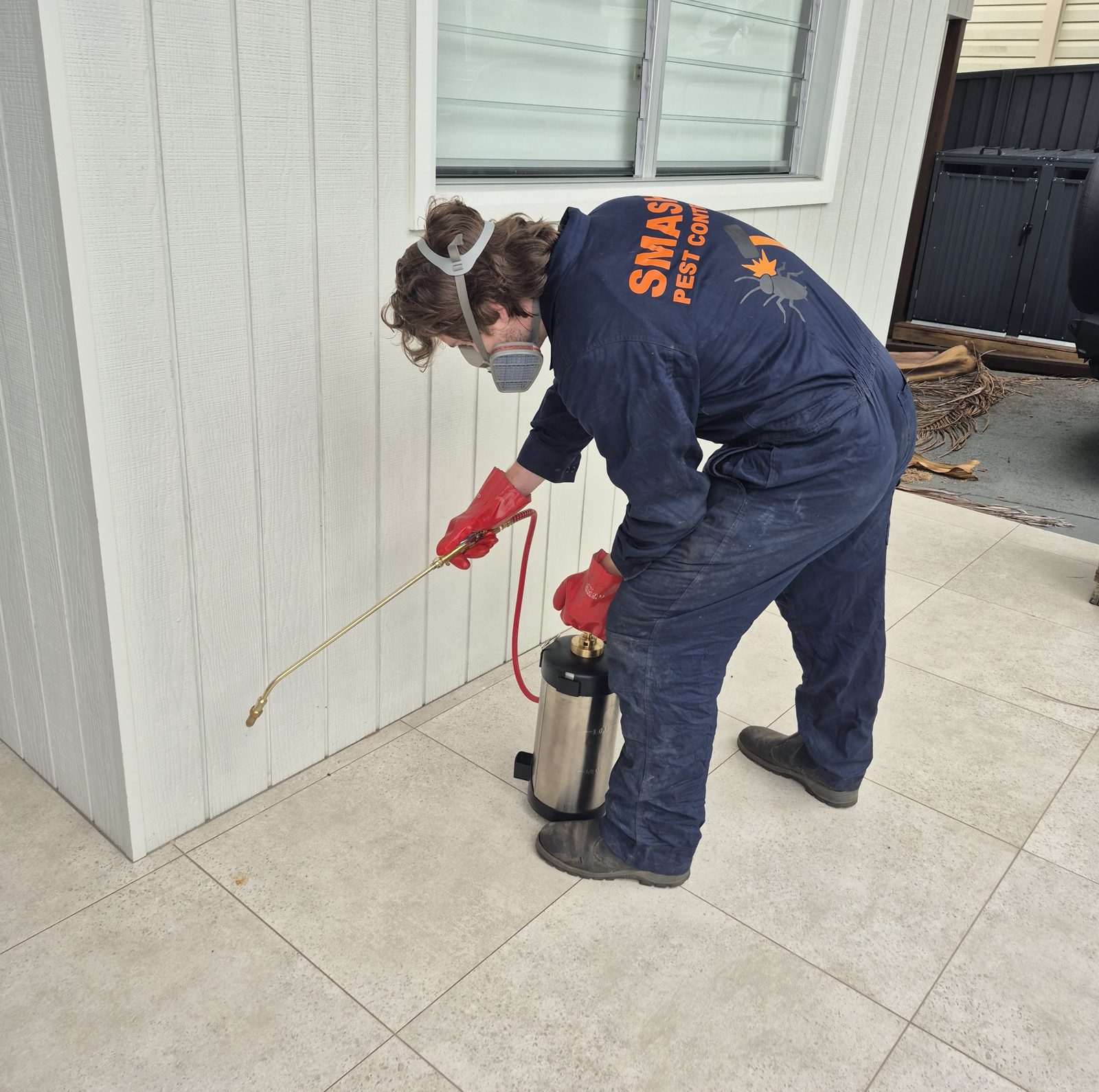
Silverfish are covered by our general pest control treatment, which targets the hiding places inside and around the home rather than just what is visible. We work out where the silverfish are harbouring, treat the cracks, crevices and voids that matter, and tell you which moisture issues to fix so the result lasts. The same visit also deals with common household pests such as ants, spiders and cockroaches. Our seasonal pest calendar shows what else to expect through the year.
Frequently asked questions
Are silverfish harmful? They do not bite or spread disease, but they damage paper, books, fabric and stored food, and they point to excess moisture.
Why do I only see silverfish at night? They are nocturnal and shelter in dark crevices during the day.
Will a dehumidifier get rid of silverfish? It helps by making conditions less comfortable, but it will not remove an established population on its own. Moisture control and treatment work best together.
Do silverfish mean my home is dirty? No. They are about moisture and food sources like paper and starch, and clean coastal homes get them too.
How quickly can you attend? Call and we will tell you the earliest we can get there.
Seeing silverfish in your home? Call Dylan at Smash Pest Control on 0447 088 762, or contact us online.
Comments